Uncategorized
Pallet Liquidation vs Wholesale: What’s the Difference?
Sep
Pallet Liquidation vs Wholesale: What’s the Difference?
If you are looking for affordable inventory for a retail or resale business, you may come across two common sourcing options: Shop Liquidation Pallets & Wholesale Inventory. While both allow businesses to purchase products in bulk, they work differently in terms of product condition, pricing, inventory consistency, and sourcing.
Understanding the difference can help retailers, resellers, and business buyers choose the inventory model that fits their needs.
What Is Pallet Liquidation?
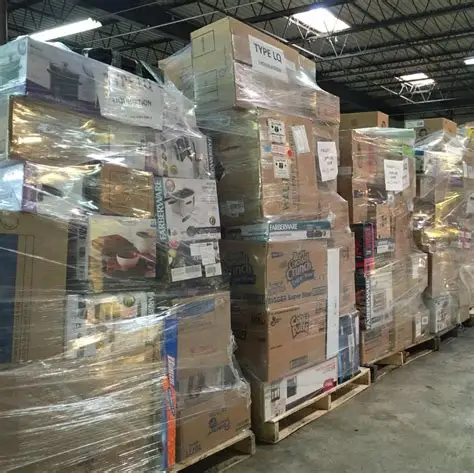
Pallet liquidation involves purchasing merchandise that businesses are looking to clear from their inventory. Liquidation pallets may contain overstock, customer returns, surplus merchandise, discontinued products, clearance stock, or other excess inventory.
Products are commonly sold in pallet or truckload quantities, making liquidation a popular sourcing option for resellers and discount retailers.
Depending on the specific pallet, merchandise can include:
- General merchandise
- Electronics
- Tools
- Toys
- Appliances
- Home goods
- Clothing
- Consumer products
Because the contents and condition can vary, buyers should carefully review each pallet listing before purchasing.
What Is Wholesale Inventory?
Wholesale inventory generally refers to products purchased in bulk directly from a manufacturer, distributor, or wholesale supplier. Wholesale products are typically purchased at a discounted price compared with standard retail pricing.
Unlike liquidation inventory, wholesale stock is often more consistent in terms of product type, condition, packaging, and quantity.
Wholesale purchasing can be useful for retailers that need to regularly restock specific products.
Pallet Liquidation vs Wholesale
The main difference is the type of inventory being sourced.
Liquidation pallets are generally made up of excess, surplus, returned, discontinued, or clearance merchandise. Inventory can vary from one pallet to another.
Wholesale inventory is usually sourced as regular commercial stock, allowing businesses to order specific products and quantities more consistently.
| Feature | Pallet Liquidation | Wholesale |
|---|---|---|
| Inventory type | Surplus, returns, overstock, clearance | Regular commercial stock |
| Product selection | Can vary | Usually more consistent |
| Condition | May vary by listing | Generally consistent |
| Quantities | Pallets or truckloads | Cases, cartons, pallets, or larger quantities |
| Pricing | Often discounted | Wholesale pricing |
| Product availability | Can change frequently | Often easier to reorder |
| Best suited for | Resellers and discount retailers | Retailers and businesses needing consistent stock |
Why Do Businesses Buy Liquidation Pallets?
One of the main reasons businesses explore liquidation is access to bulk inventory at potentially lower acquisition costs.
Liquidation pallets can provide opportunities to source different products for resale without purchasing each item individually. For experienced resellers, mixed merchandise can also provide access to products across multiple categories.
However, liquidation inventory requires careful evaluation. Product condition, quantities, manifests, and available information can differ between suppliers and individual lots.
Why Choose Wholesale Inventory?
Wholesale purchasing can be a practical option for businesses that need predictable inventory.
For example, a retailer selling a particular product may prefer wholesale purchasing because they can order the same product repeatedly and maintain consistent stock.
Wholesale inventory can also make it easier to plan pricing, merchandising, and replenishment when product specifications and quantities remain consistent.
Which Option Is Better for Resellers?
There is no single inventory model that works for every business.
Pallet liquidation may suit buyers looking for surplus inventory, mixed merchandise, customer returns, or opportunities to source products in bulk for resale.
Wholesale inventory may suit businesses that need specific products, consistent quantities, and predictable replenishment.
The right choice depends on your business model, available storage, resale channels, budget, and inventory requirements.
What Should You Check Before Buying Liquidation Pallets?
Before purchasing a liquidation pallet, review the available product information carefully.
Important factors can include:
Product Condition
Determine whether the merchandise is new, overstock, customer returns, refurbished, used, or mixed condition.
Inventory Description
Review the listing or manifest when available to understand what products are included.
Quantity
Check the number of items, cases, or pallets included in the purchase.
Shipping Costs
Freight can be an important part of the total cost of pallet inventory. Confirm shipping arrangements and delivery charges before ordering.
Resale Potential
Consider where you intend to sell the products and whether the expected selling prices make sense for your business.
How to Choose a Pallet Liquidation Supplier
When sourcing liquidation inventory, look for a supplier that provides clear product descriptions and purchasing information.
A reliable buying process should make it easy to understand:
- What type of inventory is being sold
- Available pallet quantities
- Product condition
- Pricing
- Shipping options
- Order requirements
- Contact information
Taking time to research the inventory before placing an order can help you make better purchasing decisions.
Pallet Liquidation for Retailers and Resellers
Liquidation pallets can be used by a variety of businesses, including online sellers, retail stores, discount outlets, flea-market vendors, and independent resellers.
For businesses comfortable with variable inventory, liquidation can provide a flexible way to source bulk merchandise. Wholesale purchasing, on the other hand, can provide greater consistency when a business needs to repeatedly stock the same products.
Some businesses may even use both models: wholesale inventory for core products and liquidation pallets for additional or opportunistic inventory.
Final Thoughts
The difference between pallet liquidation and wholesale comes down primarily to how the inventory is sourced and what type of stock a buyer needs.
Liquidation pallets can include surplus, overstock, returns, clearance products, and mixed merchandise, while wholesale inventory generally provides more consistent products and quantities.
Before buying, consider your budget, storage capacity, resale strategy, product requirements, and shipping costs. Comparing individual inventory listings rather than focusing only on the purchase price can help you understand the overall value of an order.
Shop Liquidation Pallets
Looking for bulk inventory for your resale business? Explore available liquidation pallets and wholesale inventory from Pallet Liquid.
Browse our current liquidation pallets for sale or contact our team for questions about pallet quantities, inventory, shipping, and wholesale purchasing.
Frequently Asked Questions
Are liquidation pallets the same as wholesale pallets?
No. Liquidation pallets typically contain surplus, overstock, returns, clearance, or other excess inventory, while wholesale pallets generally contain regular commercial inventory purchased in bulk.
Are liquidation pallets cheaper than wholesale?
Pricing varies by inventory type, condition, quantity, and supplier. Liquidation inventory can be offered at discounted prices, but buyers should also consider shipping, product condition, and resale value.
Can I resell products from liquidation pallets?
Yes. Liquidation inventory is commonly purchased by businesses and resellers for resale, provided the products and sales channels comply with applicable laws and marketplace requirements.
What products can be found in liquidation pallets?
Inventory varies by supplier and pallet. Common categories can include electronics, tools, toys, appliances, clothing, home goods, and general merchandise.
Should a new reseller buy liquidation or wholesale inventory?
The appropriate option depends on the reseller’s business model, budget, storage space, product requirements, and willingness to work with variable inventory. Researching the specific inventory and supplier is important before making a purchase.
